


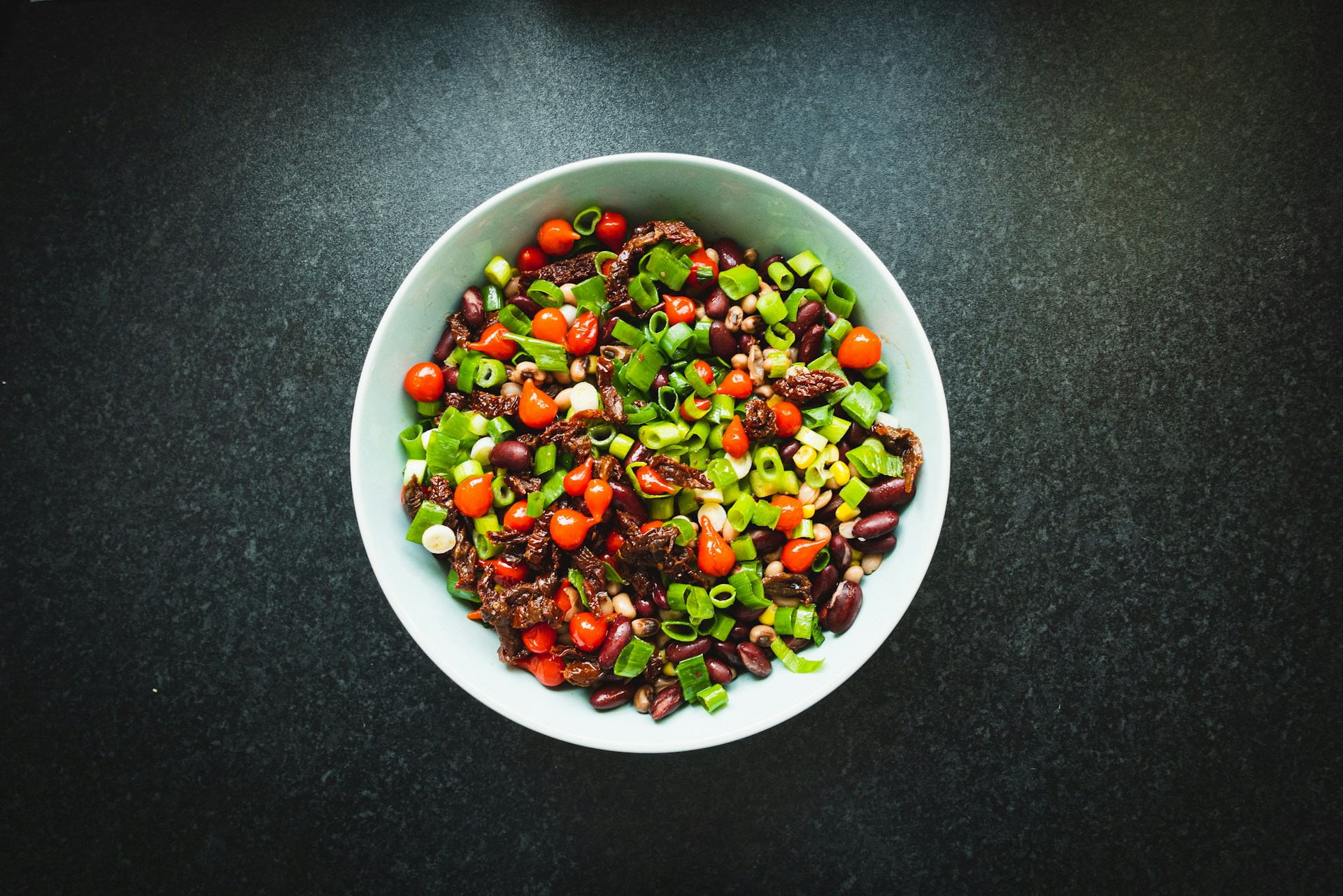

As the conversation around health and longevity evolves, plant-based diets are rapidly gaining popularity as a cornerstone for long-term well-being. From reducing the risk of chronic diseases to supporting a longer, healthier life, plant-based eating has shown promising benefits. But why is plant-based eating gaining so much attention, and how can we incorporate more plant-based foods into our daily routines for the best results?
The Plant-Based Diet: What It Is and Why It Matters
A plant-based diet emphasizes whole, minimally processed foods derived from plants, including fruits, vegetables, legumes, nuts, seeds, and whole grains. Unlike typical “fad diets,” plant-based eating is focused on nourishing the body with a variety of nutrient-dense foods rather than restricting or limiting food groups.
In recent years, the plant-based movement has moved from being a niche diet trend to a mainstream approach to health. Its potential to enhance longevity is one of the key reasons it’s gaining traction.
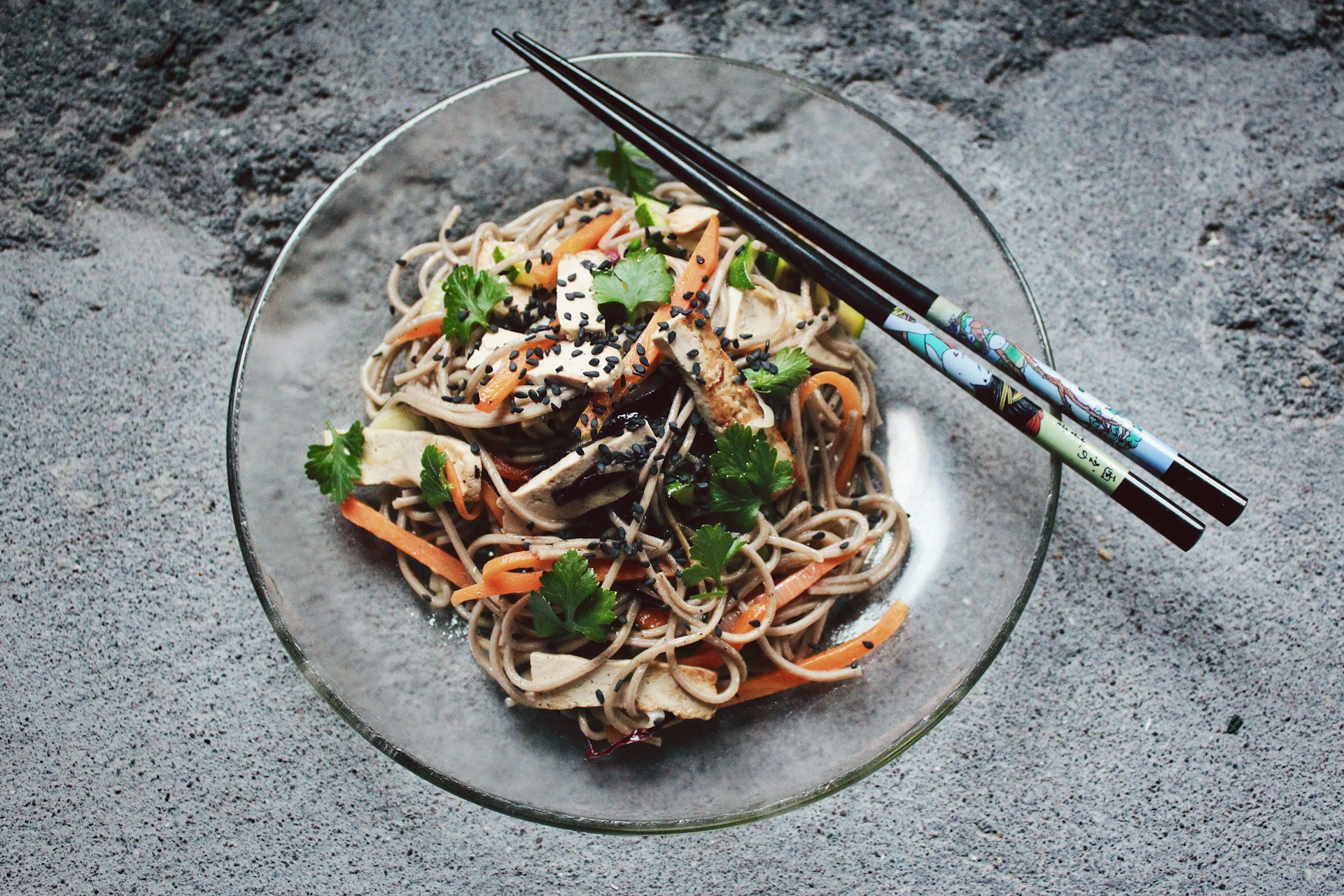
How Plant-Based Diets Promote Longevity
- Reduced Risk of Chronic Diseases
Research consistently links plant-based diets to a reduced risk of chronic illnesses such as heart disease, type 2 diabetes, and certain cancers. A study published in JAMA Internal Medicine found that people who consume plant-based diets rich in fruits, vegetables, and legumes tend to have lower blood pressure, healthier cholesterol levels, and reduced inflammation—all factors that contribute to a longer life. - Anti-Aging Properties
Plants are packed with antioxidants, vitamins, and minerals that can fight free radicals—unstable molecules that contribute to aging and cell damage. The high intake of antioxidants from plant-based foods helps protect the body from oxidative stress, potentially slowing the aging process. For example, colorful vegetables like berries, spinach, and tomatoes are loaded with antioxidants that may help maintain youthful skin and brain function as we age. - Better Heart Health
One of the most compelling reasons to embrace plant-based eating for longevity is its ability to promote heart health. Plant-based foods are naturally low in saturated fats, which are known to raise cholesterol levels and increase the risk of cardiovascular disease. High-fiber foods like beans, lentils, and whole grains help lower bad cholesterol levels, further supporting heart health and reducing the risk of heart disease. - Weight Management and Healthy Metabolism
Maintaining a healthy weight is critical for longevity, and plant-based diets tend to be lower in calorie density, meaning they provide fewer calories per volume of food. This makes it easier to maintain a healthy weight without feeling deprived. Additionally, plant-based foods are rich in fiber, which improves digestion and helps regulate blood sugar, supporting a healthy metabolism and reducing the risk of obesity-related diseases. - Improved Gut Health
A thriving gut microbiome is essential for overall health and longevity. Plant-based diets, rich in fiber, prebiotics, and fermented foods, help promote a healthy balance of gut bacteria. A diverse, balanced gut microbiome has been linked to stronger immunity, better mood regulation, and even reduced risk of chronic conditions like diabetes, making gut health an important factor in living longer.
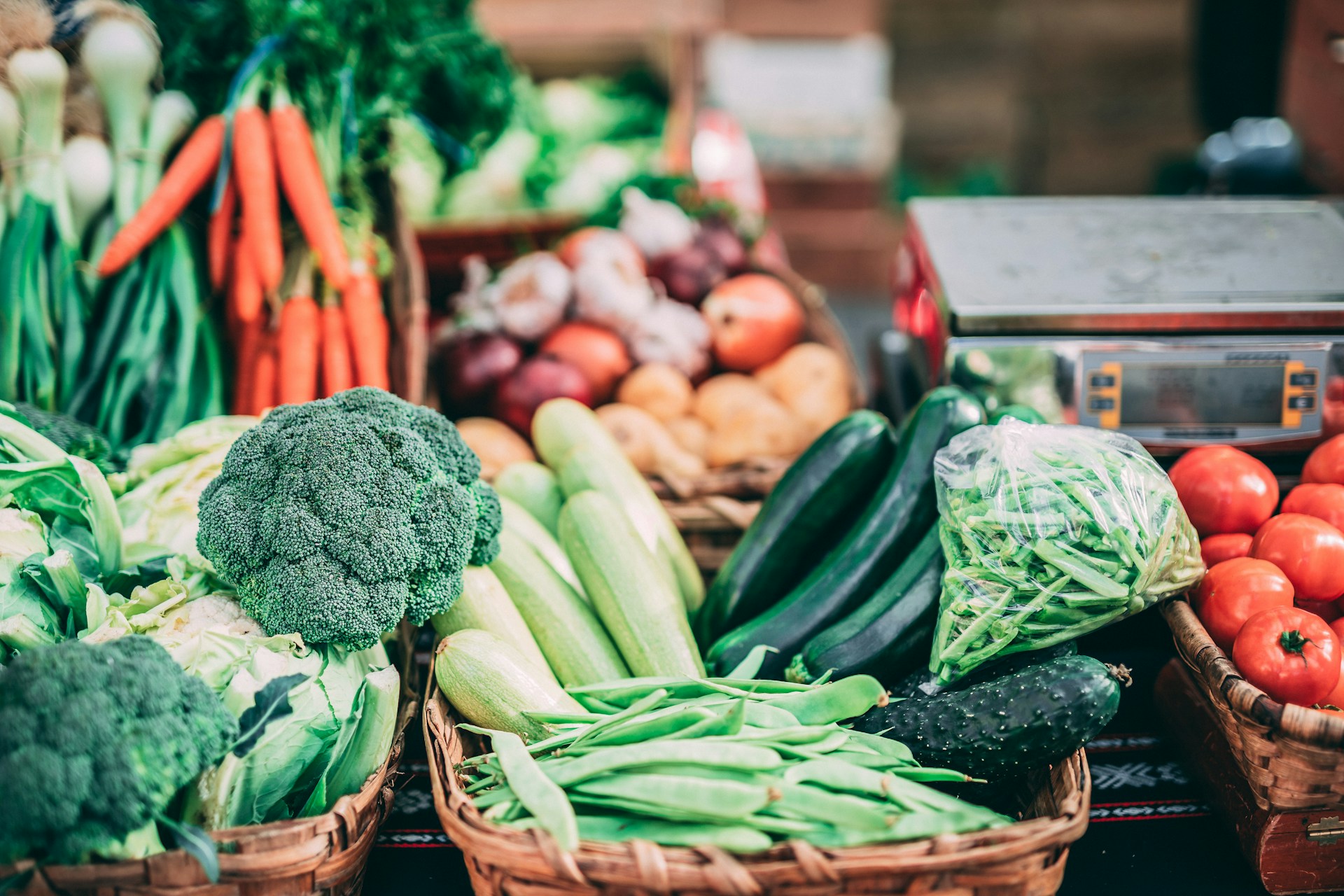
Practical Tips for Incorporating More Plant-Based Foods
Making the transition to a plant-based lifestyle doesn’t have to be overwhelming. Here are a few simple ways to incorporate more plant-based foods into your diet:
- Start Your Day with Plants
Begin your morning with a plant-based breakfast. Smoothies made with fruits, leafy greens, seeds, and plant-based protein powders are a great way to load up on nutrients first thing. Oatmeal topped with fresh fruit, nuts, and seeds is another filling, plant-powered option. - Go Meatless for One Meal a Day
If you’re not ready to fully commit to a plant-based diet, start by going meatless for one meal a day. A delicious vegetable stir-fry, lentil soup, or chickpea curry can be satisfying and packed with plant-based protein. This small change can make a big difference in your overall health. - Embrace Legumes and Beans
Beans, lentils, and peas are excellent sources of plant-based protein and fiber. Add them to salads, soups, stews, and grain bowls to increase your intake of nutrient-dense foods. These foods are not only heart-healthy but also help stabilize blood sugar levels and keep you feeling fuller for longer. - Snack on Nuts and Seeds
Nuts and seeds are powerhouses of healthy fats, protein, and fiber. Keep a small stash of almonds, walnuts, chia seeds, or pumpkin seeds for a quick snack. These can also be sprinkled on top of salads or mixed into your morning yogurt for added nutrition. - Choose Whole Grains
Swap refined grains like white rice or pasta for whole grains like quinoa, brown rice, barley, or farro. Whole grains are rich in fiber and essential nutrients like magnesium and iron, which support overall health and longevity. - Experiment with Plant-Based Proteins
Tofu, tempeh, edamame, and seitan are great alternatives to meat. They can be grilled, stir-fried, or added to stews and salads for a satisfying source of plant-based protein. Don’t forget about plant-based protein powders for smoothies or baking. - Add More Veggies to Every Meal
Vegetables should be the star of your plate. Aim to fill half of your plate with vegetables, such as leafy greens, cruciferous vegetables (broccoli, cauliflower), and colorful options like bell peppers and sweet potatoes. Experiment with different cooking methods—roasting, steaming, or sautéing—to keep things exciting.
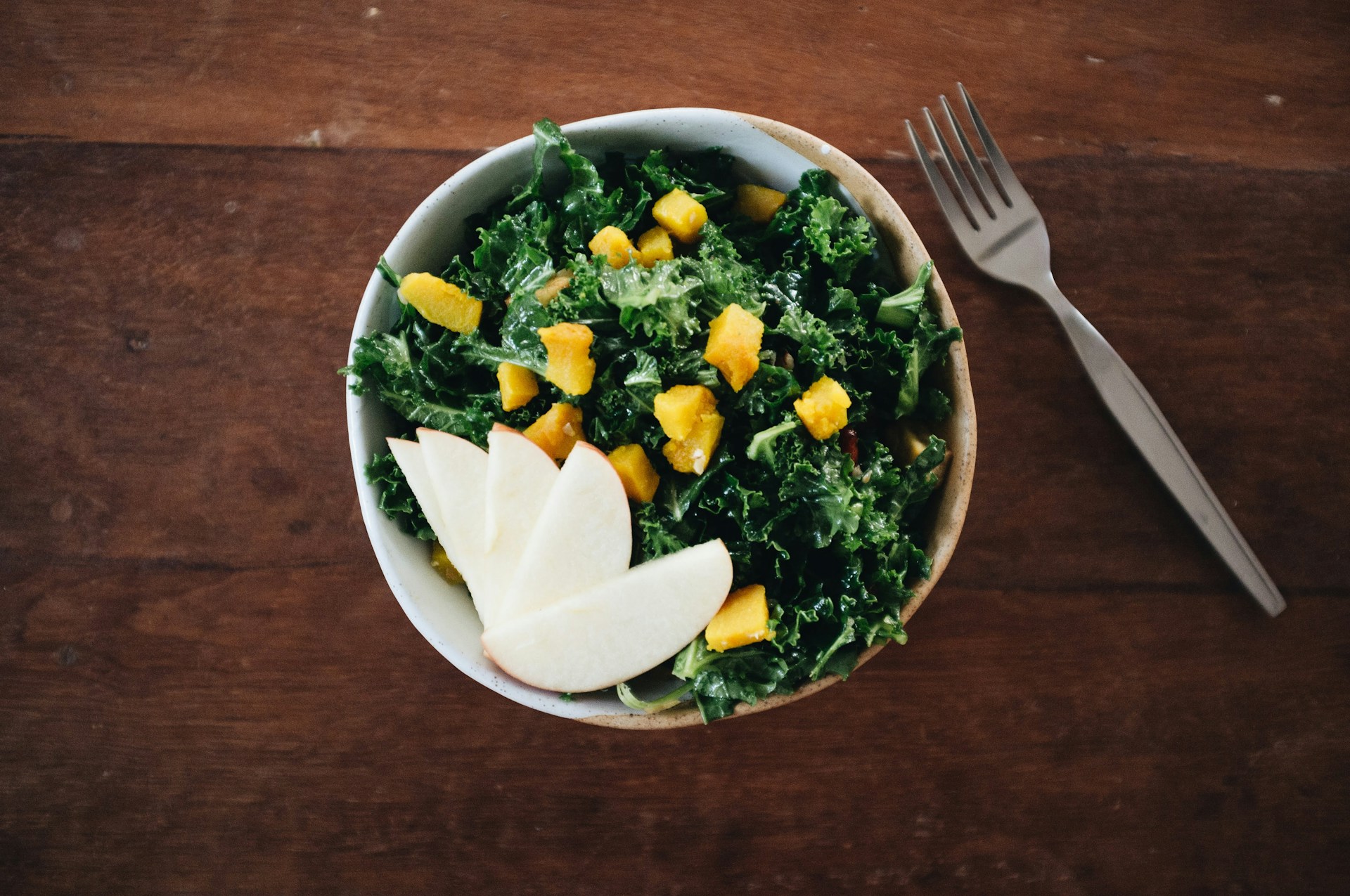
Conclusion: Eating for a Healthier, Longer Life
Plant-based eating is more than just a trend; it’s a pathway to longevity and better health. By embracing a diet rich in whole, plant-based foods, you can improve heart health, manage weight, enhance gut function, and reduce the risk of chronic diseases. The transition to a plant-based diet doesn’t have to be drastic, but even small changes—like adding more vegetables or swapping one meal for a plant-based option—can have a profound impact on your health and longevity.
As we look to the future, the way we eat will play an increasingly important role in how long and how well we live. By incorporating more plant-based foods into your diet today, you’re not only fueling your body with nutrients but also investing in a longer, healthier life.
Are you ready to make the switch to a plant-based lifestyle? Start small, experiment with new ingredients, and enjoy the many benefits this diet can offer!