


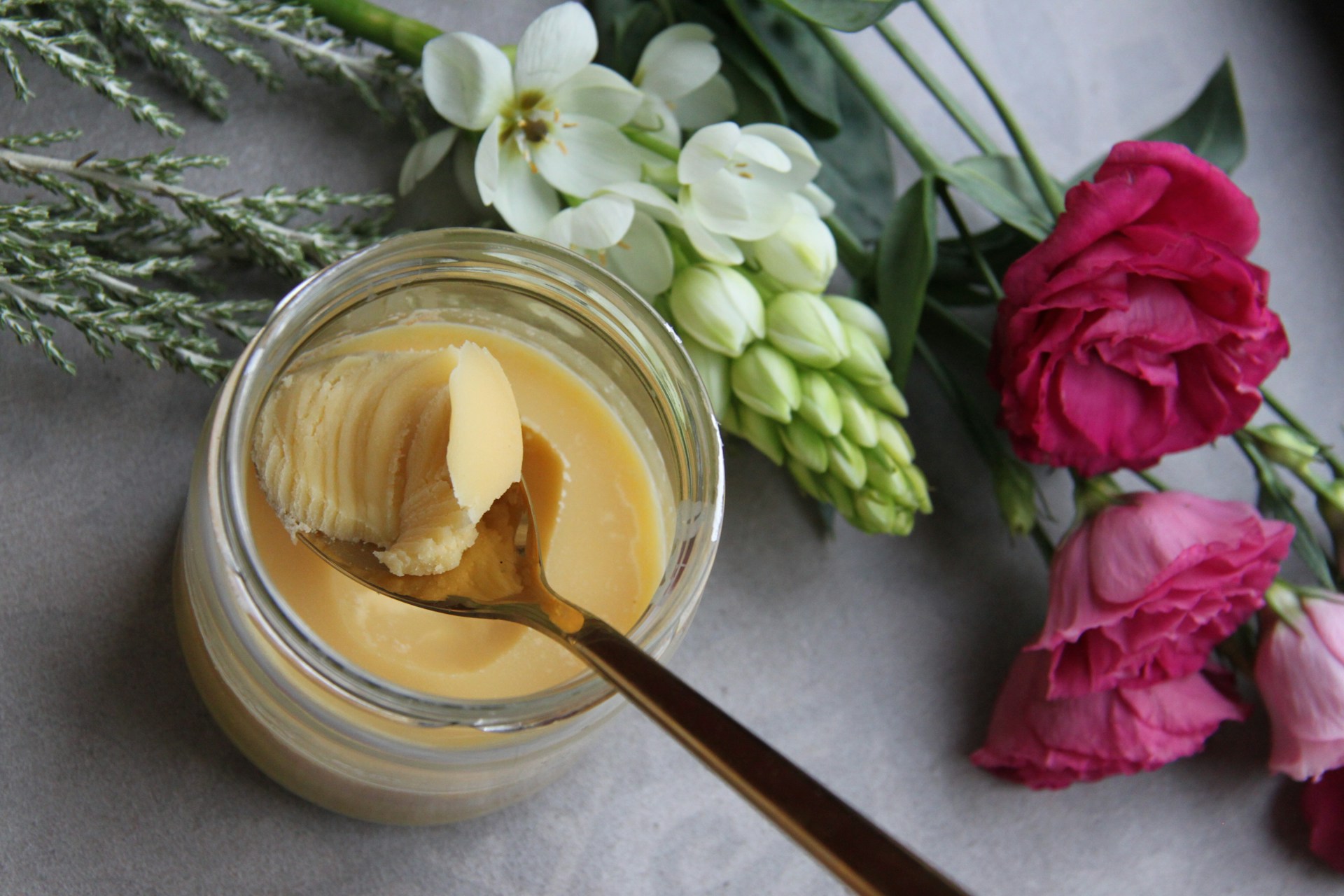

For years, butter was villainized. Blamed for everything from heart disease to high cholesterol, it was pushed aside in favor of margarine and seed oils. But now, butter is making a strong (and delicious) comeback—and not just for flavor. It turns out, this kitchen staple might actually be good for you.
Let’s talk about why butter is reclaiming its space in modern wellness and how to choose the healthiest kinds.
From Taboo to Trendy: The Butter Comeback
The anti-fat era of the ‘80s and ‘90s led to a major shift in how people viewed saturated fats. Butter was lumped in with trans fats and processed junk—even though the two couldn’t be more different. Fast-forward to today, and nutritional science is rebalancing the narrative.
What we’re learning now:
- Saturated fat isn’t the villain we once thought, especially when it comes from whole food sources like butter
- Butter contains conjugated linoleic acid (CLA), a fatty acid linked to fat metabolism and reduced inflammation
- Grass-fed butter is rich in vitamin K2, essential for bone and heart health
- It’s a natural source of butyrate, a short-chain fatty acid that supports gut lining and reduces inflammation
Suddenly, butter isn’t just allowed—it’s encouraged in certain wellness circles, especially among paleo, keto, and “real food” eaters.
Why Grass-Fed Butter Is Different
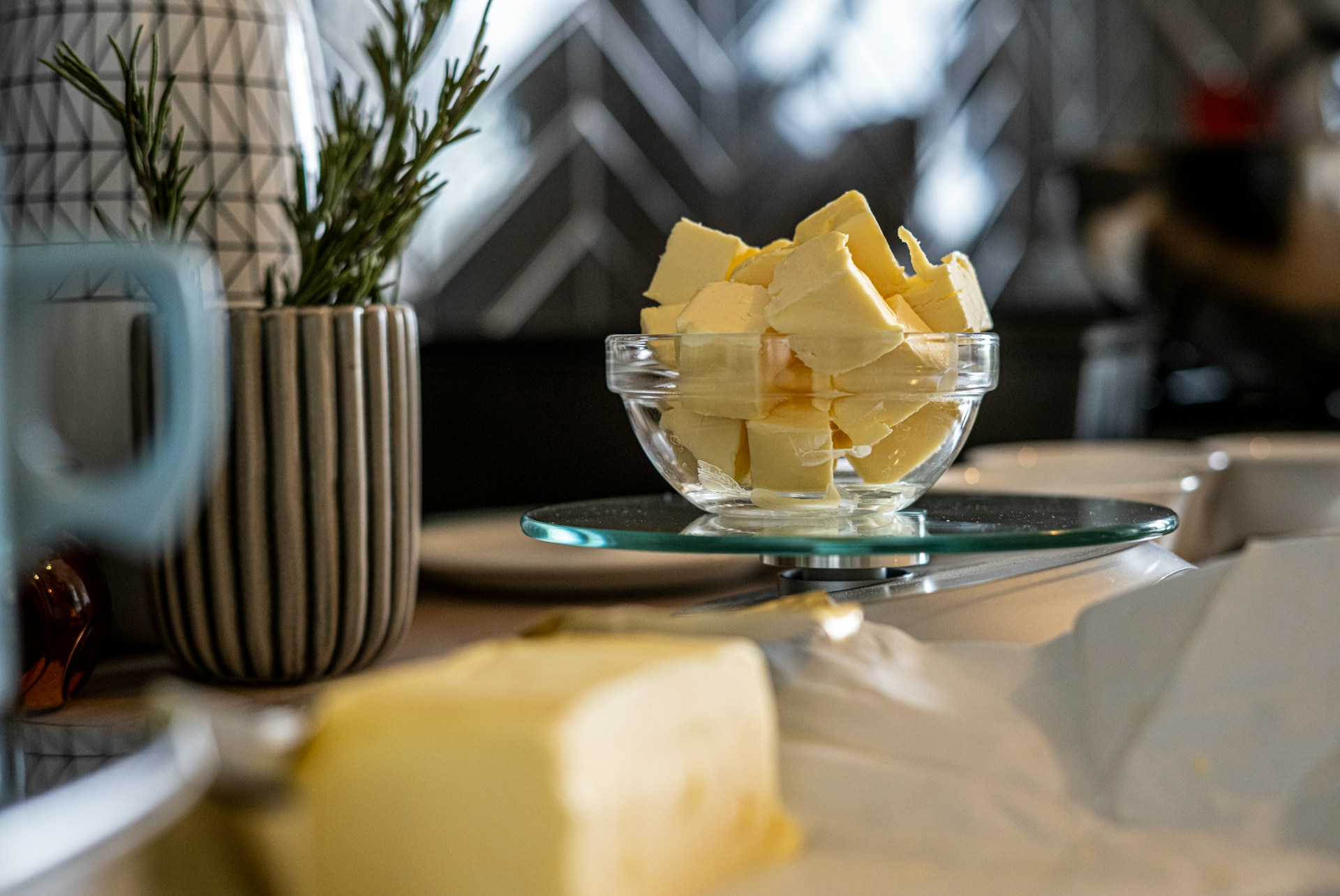
Not all butter is created equal. Grass-fed butter, especially from cows raised on pasture, is where the magic really happens.
Compared to conventional butter, grass-fed butter contains:
- Up to 5x more CLA
- Higher levels of vitamins A, D, and K2
- More omega-3 fatty acids
- A golden hue (thanks to beta-carotene)
This is the butter used in trendy “butter coffee,” blended into smoothies, and even drizzled over veggies for that extra nutrition hit.
Benefits of Butter (Yes, Actual Benefits)
When consumed in moderation and from the right source, butter can support your health in a surprising number of ways:
Potential health benefits:
- Supports hormone production, especially in low-fat diets
- Enhances nutrient absorption (some vitamins like A, D, E, and K need fat to be absorbed)
- Provides a steady, slow-burning source of energy
- May reduce inflammation via butyrate and CLA
- Helps maintain healthy cholesterol ratios in some individuals
Plus, let’s be honest: it just makes food taste better.
Cooking with Butter: Do’s and Don’ts
Butter has a moderate smoke point (~350°F), which means it’s great for low-to-medium heat cooking, baking, and sautéing. If you’re cooking at higher temps, use ghee—clarified butter with the milk solids removed—which has a smoke point around 485°F.
Tips:
- Use ghee for high-heat searing or frying
- Try cultured butter for tangy flavor and gut-friendly bacteria
- Store in the fridge, but leave a small amount in a butter dish at room temp for easy spreading

Butter vs. Margarine and Seed Oils
There’s no comparison. Butter is a minimally processed, whole food. Margarine and most vegetable oils? Ultra-processed, chemically altered, and often high in omega-6s that throw off your body’s inflammatory balance.
The takeaway: butter offers real fat, real flavor, and real benefits—without the hidden downsides of industrial oils.
The Bottom Line
Butter is back—and it never should have left. When it’s high-quality, grass-fed, and used in balance, it can actually support your health goals rather than hinder them. Whether you’re spreading it on sourdough, stirring it into coffee, or cooking up veggies, butter brings both nourishment and joy.
So go ahead: bring back the butter dish. Your gut, hormones, and taste buds might just thank you.