


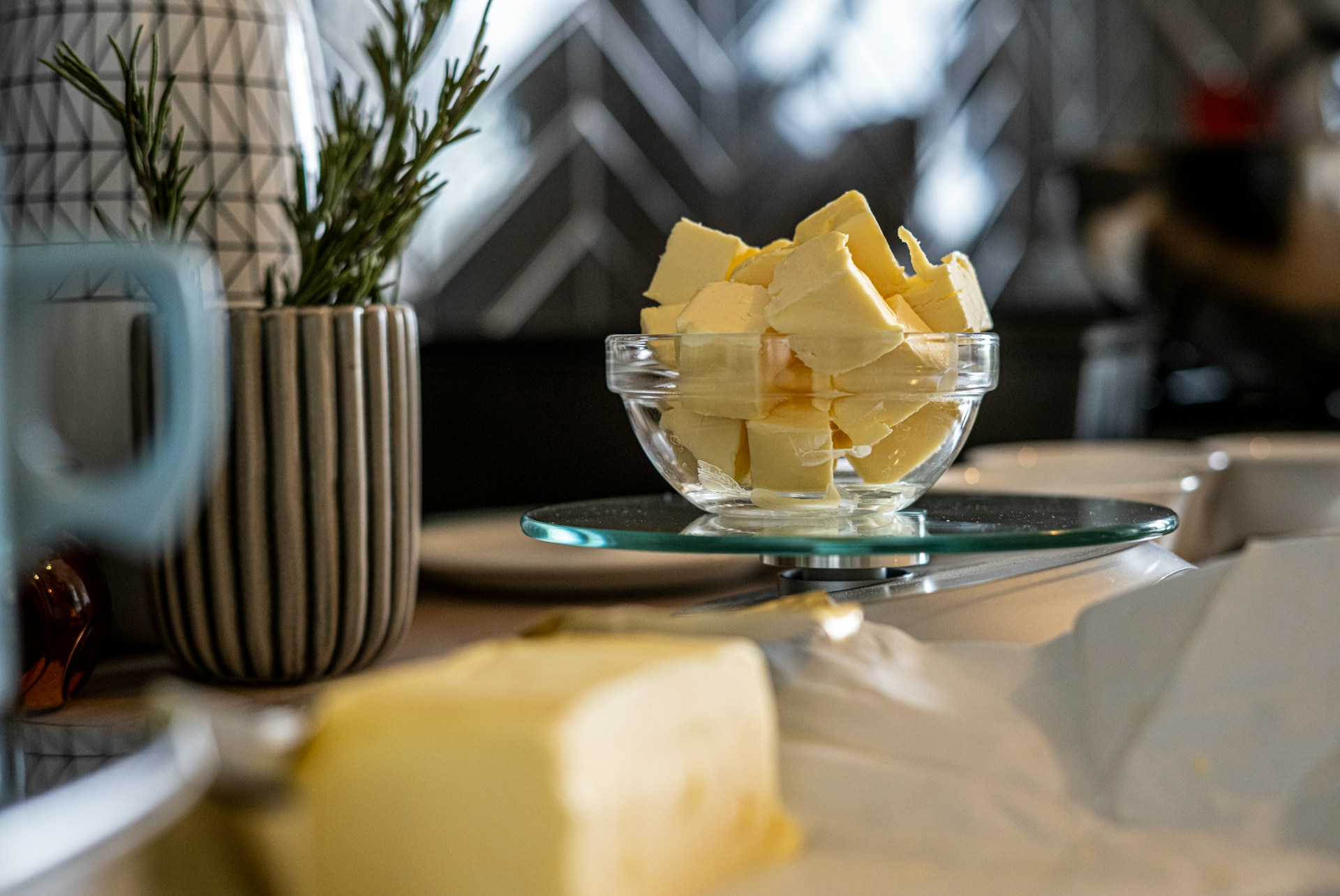

The war on fat is over—and animal fats are finally getting their due. But if you’ve stood in the kitchen wondering whether to cook with butter, ghee, or tallow, you’re not alone. These traditional fats have very different properties, and each brings something unique to the table (literally).
Here’s a breakdown of the differences, the benefits, and when to reach for each one.
🧈 Butter: The Classic Fat with Comfort and Creaminess
Butter is probably the most familiar of the three. It’s made by churning cream and contains about 80% fat, with the rest being water and milk solids. It’s rich, slightly sweet, and oh-so nostalgic.
Best for:
- Spreading on toast or sourdough
- Baking for rich flavor
- Sautéing over medium heat
- Adding creaminess to sauces, coffee, or veggies
Nutritional Highlights:
- Contains butyrate, a short-chain fatty acid that supports gut lining
- Rich in fat-soluble vitamins A, D, E, and K2
- Offers a dose of CLA, known for metabolic and anti-inflammatory effects
Watch out for: Milk solids can burn at high temps, so avoid searing or frying with butter unless it’s clarified (aka ghee).
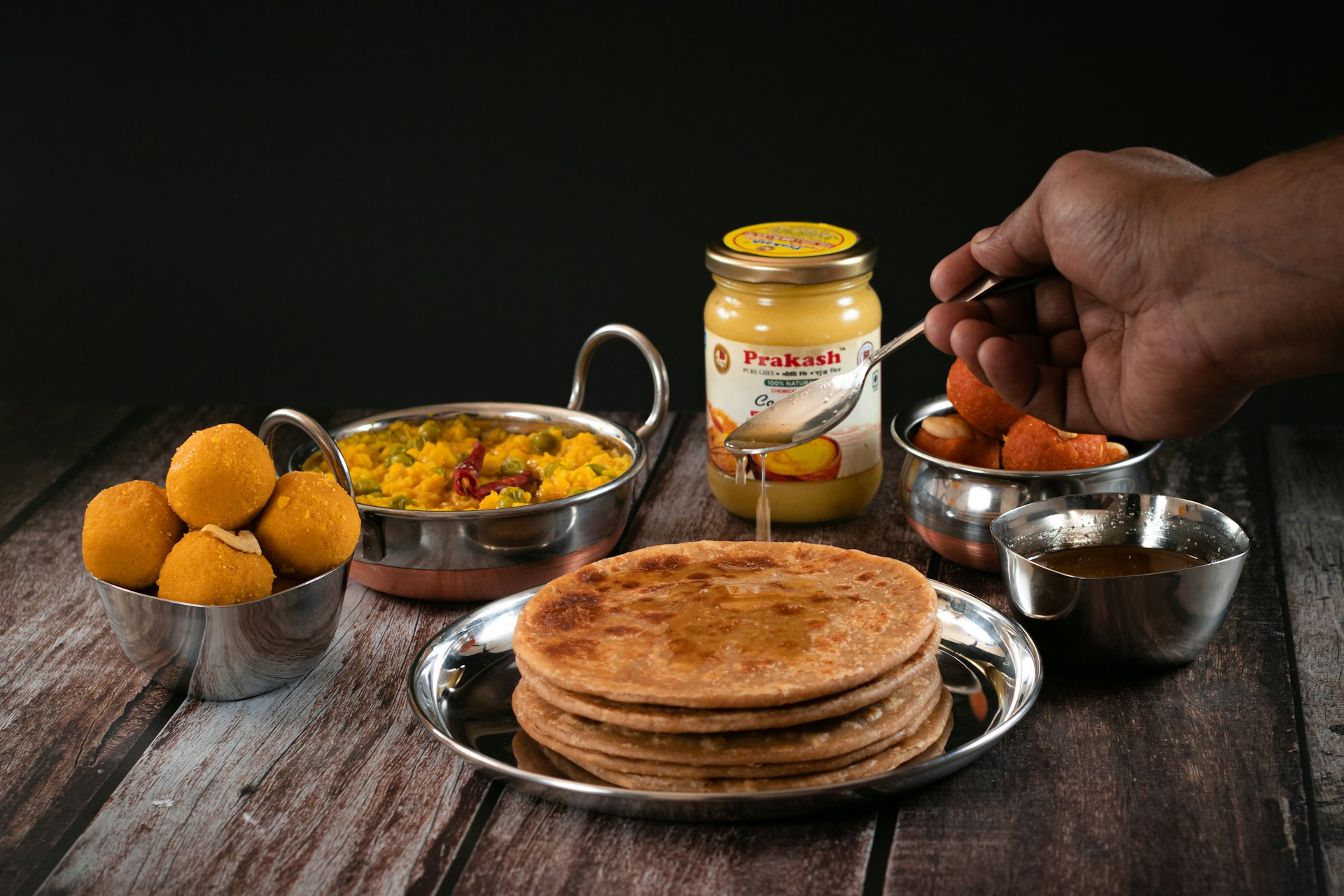
✨ Ghee: Clarified Butter with a Gut-Friendly Edge
Ghee is butter—refined. Made by gently heating butter to remove the milk solids and water, it leaves behind pure golden fat with a rich, nutty aroma and a much higher smoke point.
Best for:
- High-heat cooking like roasting, stir-frying, or searing
- Paleo, Whole30, and dairy-sensitive diets
- Blending into coffee or golden milk
Why it shines:
- Lactose- and casein-free, making it easier to digest
- Higher smoke point (485°F) = more versatile for cooking
- Concentrated in butyrate, which supports gut repair and anti-inflammatory pathways
Pro tip: For Ayurvedic purposes, ghee is often taken first thing in the morning to “lubricate digestion.”
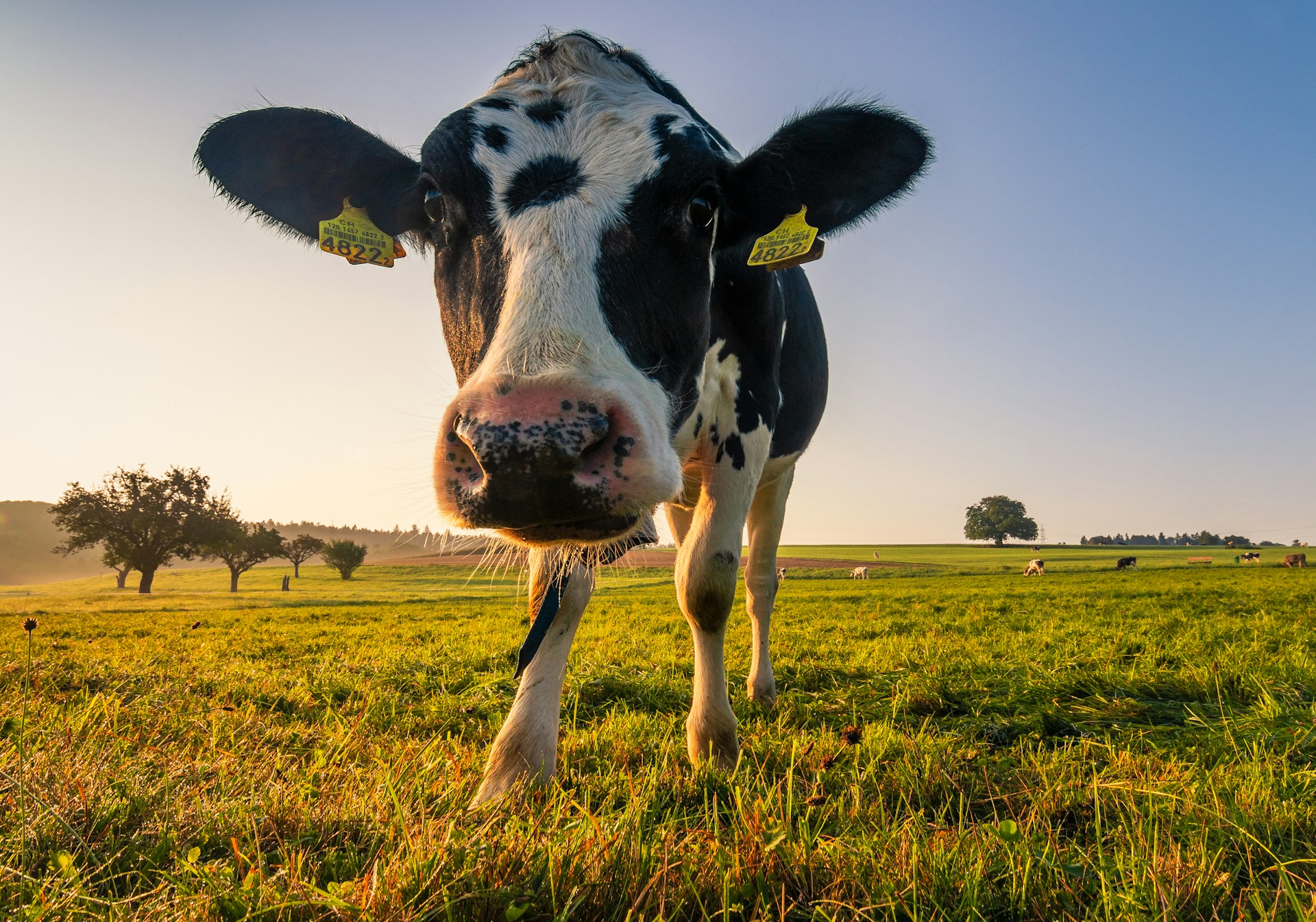
🔥 Tallow: The Ancestral Fat Making a Bold Comeback
Beef tallow is rendered fat from cows—essentially the original cooking oil. It’s stable, nutrient-rich, and has a surprisingly clean flavor when properly prepared. Once a staple in traditional diets, tallow is now being rediscovered by modern cooks, biohackers, and skincare lovers.
Best for:
- High-heat frying and sautéing
- Crispy roasted potatoes, steak, or eggs
- Traditional recipes and nose-to-tail cooking
What sets it apart:
- Extremely stable—great for deep frying without oxidizing
- High in saturated fat, which makes it shelf-stable
- Source of fat-soluble vitamins, especially when from grass-fed animals
Fun fact: Tallow is also used in skincare for its nourishing properties and natural compatibility with human sebum.
So… Which One Should You Use?
Each of these fats has its strengths. The key is matching the fat to the function—and knowing where your priorities lie.
Use this cheat sheet:
| Fat | Best For | Smoke Point | Lactose-Free | Flavor |
|---|---|---|---|---|
| Butter | Baking, flavor, medium-heat cooking | ~350°F | ❌ | Rich, creamy |
| Ghee | High-heat cooking, digestion support | ~485°F | ✅ | Nutty, deep |
| Tallow | Frying, roasting, ancestral nutrition | ~400°F | ✅ | Neutral-savory |
Final Thoughts: Fat Is Back—Just Choose Wisely
Gone are the days of fear-based fat avoidance. Today, we understand that quality and context matter far more than fat content alone. Traditional fats like butter, ghee, and tallow offer flavor, stability, and nutrients in ways industrial oils never could.
So whether you’re buttering your morning toast, crisping up veggies in ghee, or frying with tallow like it’s 1825—you’re choosing fats that support your body and your taste buds.